
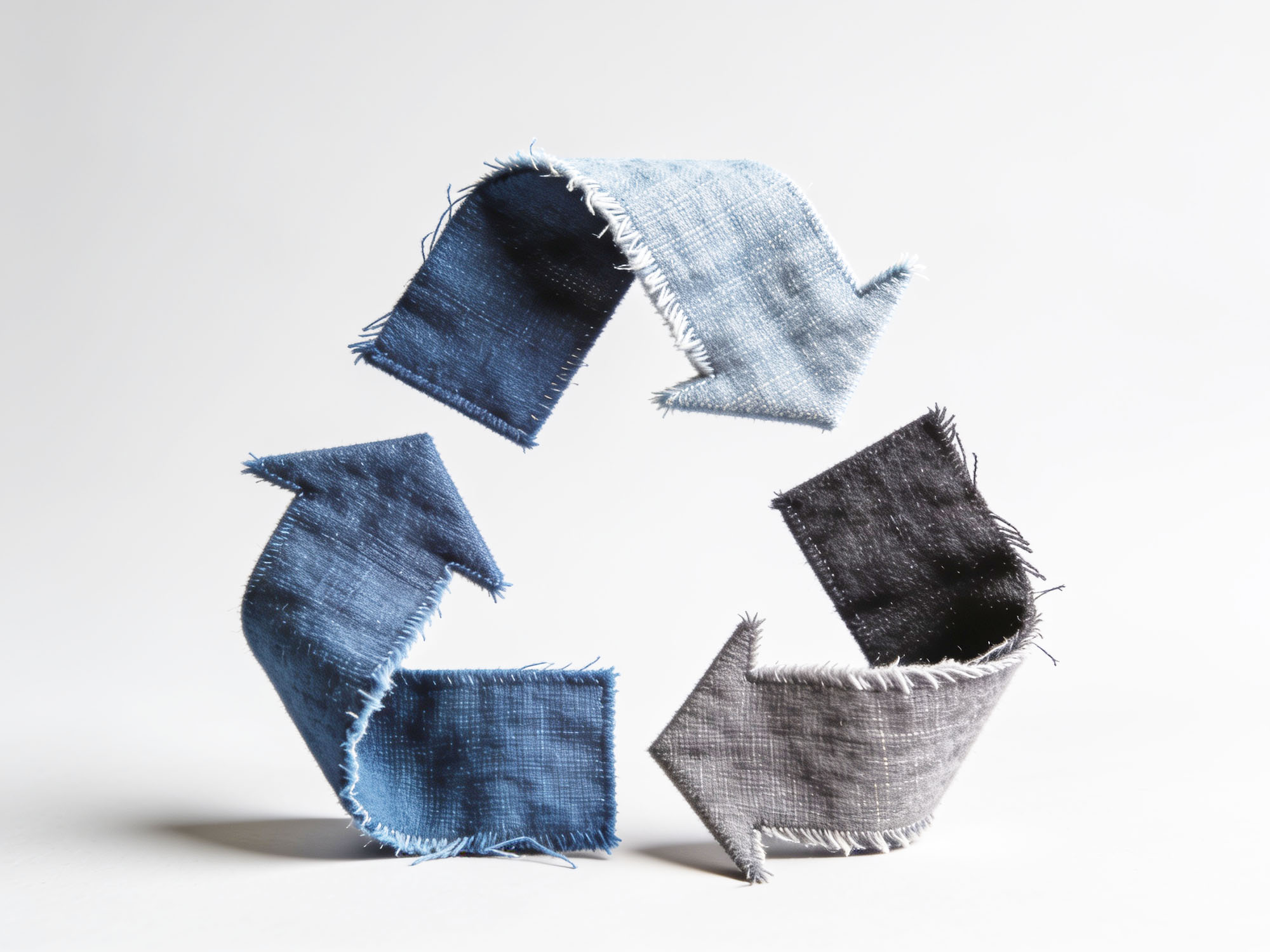
Sustainability used to be a footnote in bag design — a recycled zipper pull here, a "made from ocean plastic" sticker there. That's changing fast. As B2B buyers face their own environmental reporting requirements and end users increasingly expect it as standard, the materials inside a carry case are becoming as scrutinized as its price and durability. The good news: sustainable materials no longer mean a trade-off. Done well, they can match — or exceed — the performance of conventional fabrics, while cutting the carbon and waste footprint of the product substantially.
Here's what "sustainable materials" actually means when it comes to building a bag that performs.
Recycled synthetics do most of the heavy lifting.
rPET and recycled nylon are made from post-consumer waste — largely plastic bottles and pre-existing textiles — and perform essentially identically to their virgin counterparts: durable, water-resistant, and easy to clean. Lamination with post-industrial TPU waste adds further durability and waterproofing without introducing new raw material. For a category built almost entirely on synthetic fabric, this is where the biggest environmental gains are made without touching the feel or function of the final product. It also supports genuine circularity: reusing plastics already in circulation rather than drawing on new petroleum feedstock, which is where most of a bag's raw-material footprint originates.
Natural and bio-based fibers are the second lever.
Organic cotton is a renewable resource grown without the pesticides and fertilizers used in conventional cotton, and works well for linings, totes, and lower-abrasion applications. Canvas, wool, and hemp round out the natural-fiber options, each suited to different weights and finishes. Bio-based polyester is newer and still developing, but early materials — like SugarDown — are already reaching the market, offering a plant-derived alternative to petroleum-based polyester with similar performance characteristics. At the far end of the spectrum, biodegradable materials like bamboo or mushroom-based composites offer full compostability at end of life, though they remain niche for structural components today.
Sustainable does not mean lower quality.
It's a common assumption, and an outdated one. Recycled and bio-based materials can hit the same quality grades as virgin materials, and when paired with sound structural design, they hold up in genuinely demanding, high-end applications. The environmental story and the premium feel are not in tension — they're increasingly the same product.
We've tested this directly. When we redesigned our own toiletry bag around sustainability principles — removing unnecessary foam and lining, rebuilding it around rPET fabric, YKK Natulon recycled zipper tape, and an aluminium zipper pull — the results were significant: recycled content jumped from 5% to 95%, total carbon footprint dropped 45%, and the bag got 16% lighter, all without compromising on functionality or style. That's the case for sustainable materials in one product: fewer raw inputs, a smaller footprint, and no functional cost.
There's no single "right" sustainable material for every case — the choice depends on the product's exposure, durability needs, and how the brand wants the finished piece to look and feel. A rugged outdoor case calls for a different sustainable fabric than a soft interior organizer. What matters is treating material selection as a design decision from the start, not a late-stage substitution exercise bolted onto a finished spec — sourced, wherever possible, through certified, ISO-controlled factories that can back up a sustainability claim with process, not just marketing.
This is exactly where we work with clients directly: identifying which sustainable materials genuinely fit a product's requirements, sourcing them at the quality grade the application demands, and proving out the environmental gain with real numbers rather than a label. Sustainability in carry cases isn't a constraint on good design anymore — increasingly, it's part of what good design means.